Department of Civil Engineering
Delivering high-quality civil engineering education, cutting-edge research, and innovative solutions for sustainable national development and infrastructure.
History of the Civil Engineering Degree Programme
The Programme started in 2001. It was formerly housed in Kano University of Science and Technology, Wudil Faculty of Engineering. Civil Engineering Department offers Honours Degree in Bachelor of Engineering (B.Eng.) in Civil Engineering. The duration for the degree programme in the department is five (5) years of ten (10) semesters. The Department of Civil Engineering admitted its first set of students in 2001/2002 session. The students’ enrolment has witnessed steady increase from a population of less than sixty (60) students in 2001 to over five hundred (500) students in 2018. The staff strength also increases from one academic staff in 2001 to 27 academic staff, 14 technologists in 2024. The Department has secured a full accreditation in 2019 by the Council for the Regulation of Engineering in Nigeria (COREN).
The Programme graduated its first set of graduates in 2007/2008 academic session, second sets 2008/2009 and the rest from 2009/2010 to 2023/2024 academic sessions. In the first two semesters, the students are engaged in the general courses of Science and Technology for them to learn courses relating to fundamentals of basic sciences and engineering graphics. Subsequently, upon completion of the two semesters, the students are allowed to proceed to 200 Level where they are introduced to the general engineering courses. The 200 Level culminates into a six-weeks Student Work Experience Programme (SWEP) while the last six semesters are for core Civil Engineering courses.
The structure of Civil Engineering courses as taught in Aliko-Dangote University of Science and Technology Wudil is such that the students are introduced to and engaged in the core curriculum set out by the Benchmark Minimum Academic Standards (BMASs) of both the National Universities Commission (NUC) and the Council for the Regulation of Engineering in Nigeria (COREN). Additional courses are added to the courses suggested by the BMAS in such a way as to facilitate a total Civil Engineering graduate that is up-to-date with the current global advancement drive.
Vision & Mission
University Vision: “The University shall be an international centre of excellence”.
Programme Vision: “To be a centre of excellence producing competent, innovative, and ethical Civil Engineers for national development and global competitiveness”.
University Mission: “To produce highly skilled manpower through research and training, to meet the challenges of a fast-changing society”.
Programme Mission: “To deliver quality Civil Engineering knowledge through rigorous training, applied research, and industry collaboration, while upholding professional ethics and promoting sustainable development”.
Programme Educational Objectives (PEOs)
- PEO 1: Problem-Solving and Innovation: Graduates will apply their knowledge in civil engineering to solve complex, real-world problems by developing innovative, sustainable, and cost-effective solutions that benefit society and the environment.
- PEO 2: Technical Proficiency and Research: Graduates will possess a strong academic and technical foundation, enabling them to pursue advanced studies and engage in research activities that contribute to the development of civil engineering and the improvement of indigenous technology.
- PEO 3: Professionalism and Ethical Responsibility: Graduates will demonstrate professionalism, ethical responsibility, and leadership skills, contributing to the engineering profession and the community with integrity and respect for societal and environmental impacts.
- PEO 4: Practical Skills and Employability: Graduates will be equipped with practical engineering skills and entrepreneurial mindset, allowing them to excel in industry roles, pursue self-employment, and adapt to the evolving needs of a developing country.
- PEO 5: Foster Industry and Community Engagement: Collaborate with industry and community stakeholders to design, develop, and implement practical engineering solutions that promote economic growth and national development.
Programme Outcomes (POs) — COREN Compliance Matrix
Program Outcomes define the essential knowledge, skills, and attitudes our students are expected to possess upon graduation (PO1 through PO11).
| PO No. | Programme Outcome Description |
|---|---|
| PO1 | Engineering Knowledge: Apply knowledge of mathematics, science, engineering fundamentals and an engineering specialization to the solution of developmental and complex engineering problems. |
| PO2 | Problem Analysis: Identify, formulate, research literature and analyze developmental and complex engineering problems reaching substantiated conclusions using first principles of mathematics, natural sciences and engineering sciences. |
| PO3 | Design/Development of Solutions: Proffer solutions for developmental or complex engineering problems and design systems, components or processes that meet specified needs with appropriate consideration for public health and safety, cultural, societal and environmental considerations. |
| PO4 | Investigation: Conduct investigation into developmental or complex problems using research-based knowledge and research methods including design of experiments, analysis and interpretation of data, and synthesis of information to provide valid conclusions. |
| PO5 | Engineering Tool Usage: Create, select and apply appropriate techniques, resources and modern engineering and ICT tools, including prediction, modelling and optimization to developmental and complex engineering activities, with an understanding of the limitations. |
| PO6 | The Engineer and the World: Analyse and evaluate societal and environmental aspects while solving complex engineering problems, considering their impact on sustainability with reference to economy, health, safety, legal frameworks, culture, and the environment. |
| PO7 | Ethics: Apply ethical principles and commit to professional ethics and responsibilities and norms of engineering practice, including adherence to the COREN Engineers Code of Conducts. |
| PO8 | Individual and Team Work: Function effectively as an individual, and as a member or leader in diverse teams and in multi-disciplinary settings. |
| PO9 | Communication: Communicate effectively on developmental or complex engineering activities with the engineering community and with society at large, such as being able to comprehend and write effective reports and design documentation, make effective presentations, and give and receive clear instructions. |
| PO10 | Project Management: Demonstrate knowledge and understanding of engineering, management and financial principles and apply these to one’s own work, as a member and leader in a team, to manage projects and in multi-disciplinary environments. |
| PO11 | Lifelong Learning: Recognize the need for, and have the preparations and ability to engage in independent and lifelong learning in the broadest context of technological and social changes. |
Academic Staff Profiles
Meet the dedicated academic faculty members driving instruction, research, and innovation in Civil Engineering.
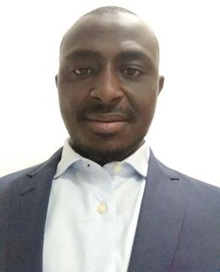
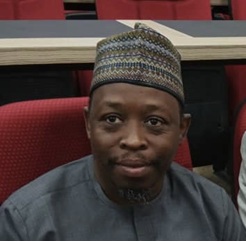
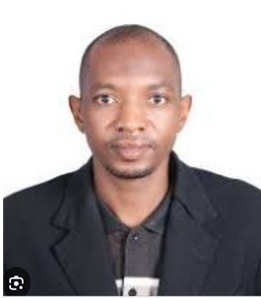
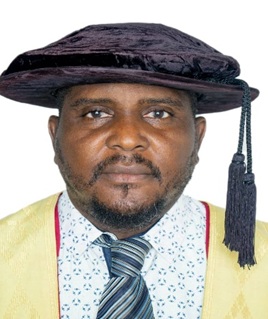
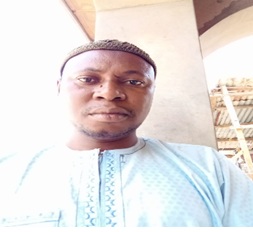
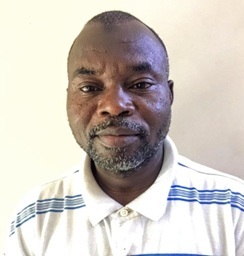
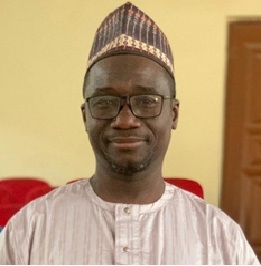
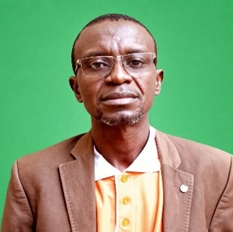

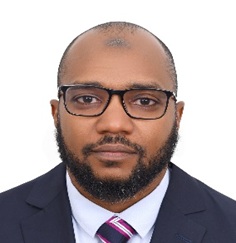
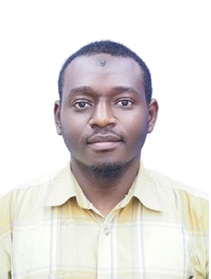

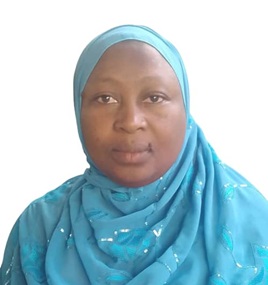


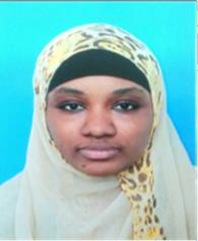

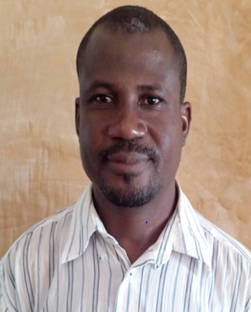
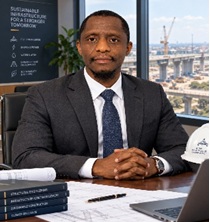
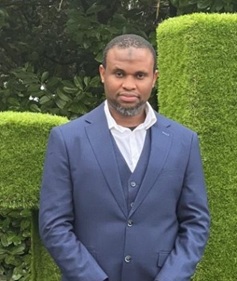
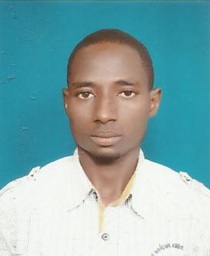
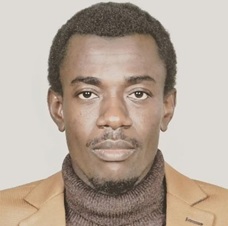
List of Full-Time Departmental Academic Staff
Passport photo is available in the CV below.
| S/N | Name | COREN | Rank | Details Qualification | Specialization | ||
|---|---|---|---|---|---|---|---|
| Degree | Year | Institution | |||||
| 1 | Nuruddeen M Musa | 11,013 | Professor | PhD | 2013 | Ahmadu Bello University Zaria | Structures |
| M.Eng. | 2003 | Ahmadu Bello University Zaria | |||||
| B.Eng. | 1997 | Bayero University, Kano | |||||
| 2 | Mahadi Lawan Y | 16834 | Professor | PhD | 2015 | Universiti Technology Malaysia | Water Resources |
| M.Eng. | 2005 | Bayero University, Kano | |||||
| B.Eng. | 2002 | Bayero University, Kano | |||||
| 3 | Mustapha M Lawan | 19,159 | Professor | PhD | 2016 | Universiti Technology Malaysia | Structures |
| M.Eng. | 2011 | Bayero University, Kano | |||||
| B.Eng. | 2004 | Bayero University, Kano | |||||
| 4 | Najiyu Abubakar | 22,664 | Professor | PhD | 2019 | Universiti Technology Malaysia | Structures |
| M.Eng. | 2011 | Bayero University, Kano | |||||
| B.Eng. | 2004 | Bayero University, Kano | |||||
| 5 | Ado Ma’aruf | 13,253 | Professor | PhD | 2022 | NIU, India | Structures |
| M.Eng. | 2011 | Ahmadu Bello University Zaria | |||||
| B.Eng. | 1996 | Bayero University, Kano | |||||
| 6 | M.T Ahmad | 20.979 | Reader | PhD | 2018 | Universidade do Minho, Campus de Azurém | Water Resources |
| M.Eng. | 2011 | Bayero University, Kano | |||||
| B.Eng. | 2001 | Bayero University, Kano | |||||
| 7 | Nasiru Zakari Muhammad | 24,145 | Reader | PhD | 2017 | Universiti Technology Malaysia | Structures |
| M.Eng. | 2012 | Bayero University, Kano | |||||
| B.Eng. | 2006 | Bayero University, Kano | |||||
| 8 | Muttaqa Uba Zango | 24,347 | Reader | PhD | 2021 | Universiti Technology Malaysia | Geotechnical |
| M.Eng. | 2014 | Fatih University, Istanbul | |||||
| B.Eng. | 2007 | Bayero University, Kano | |||||
| 9 | Ashiru Sani | 32,299 | Reader / HOD | PhD | 2020 | Universiti Sains Malaysia | Highway and Transportation |
| M.Eng. | 2014 | Fatih University, Istanbul | |||||
| B.Eng. | 2008 | Kano University of Science and Technology, Wudil | |||||
| 10 | Fa’iz Habib Anwar | 36,836 | Senior Lecturer | PhD | 2020 | UAEU, Abu Dhabi | Structures |
| M.Eng. | 2014 | NEU, North Cyprus | |||||
| B.Eng. | 2010 | Bayero University, Kano | |||||
| 11 | Muwaffaq Safyan Labbo | 34,837 | Senior Lecturer | PhD | 2024 | SWJTU, China | Highway and Transportation |
| M.Eng. | 2016 | JNU, India | |||||
| B.Eng. | 2012 | Kano University of Science and Technology, Wudil | |||||
| 12 | Daha Shehu Aliyu | 32,219 | Senior Lecturer | PhD | 2024 | Newcastle University | Structures |
| M.Eng. | 2015 | Sharda University | |||||
| B.Eng. | 2011 | Kano University of Science and Technology, Wudil | |||||
| 13 | Ali Sani Maihula | 12,058 | Lecturer I | M.Eng. | 2005 | Bayero University, Kano | Water Resources |
| B.Eng. | 1995 | Bayero University, Kano | |||||
| 14 | Amina Sallau Aliyu | 16,497 | Lecturer I | M.Eng. | 2009 | Bayero University, Kano | Water Resources |
| B.Eng. | 2002 | Bayero University, Kano | |||||
| 15 | Kabiru Abdullahi Faruk | 37,874 | Lecturer I | M.Eng. | 2015 | University of Ilorin | Highway and Transportation |
| B.Eng. | 2006 | Kano University of Science and Technology, Wudil | |||||
| 16 | Ai Rabi’u Anwar | 22,216 | Lecturer I | M.Eng. | 2012 | Bayero University, Kano | Geotechnical |
| B.Eng. | 2006 | Bayero University, Kano | |||||
| 17 | Hauwa Baffa Jibrin | 46,176 | Lecturer I | M.Eng. | 2016 | Universiti Technology Malaysia | Highway and Transportation |
| B.Eng. | 2011 | Bayero University, Kano | |||||
| 18 | Zaharaddeen Baffa Baba | — | Lecturer I | M.Eng. | 2015 | Sharda University, India | Structures |
| B.Eng. | 2010 | Kano University of Science and Technology, Wudil | |||||
| 19 | Musbahu Abubakar Muhammad | — | Lecturer I | M.Eng. | 2016 | Jodhpur National University, India | Highway and Transportation |
| B.Eng. | 2011 | Kano University of Science and Technology, Wudil | |||||
| 20 | Salim Idris Malami | 34,880 | Lecturer II | PhD | 2026 | Heriot Watt University, United Kingdom | Structures |
| M.Eng. | 2014 | Near East University | |||||
| B.Eng. | 2011 | Bayero University, Kano | |||||
| 21 | Mahmud Murtala | — | Lecturer II | M.Eng. | 2014 | Universiti Technology Malaysia | Construction Management |
| B.Eng. | 2012 | Bayero University, Kano | |||||
| 22 | Mujittaf Sariyyu | 78,608 | Lecturer II | M.Eng. | 2019 | ECN, France | Geotechnical |
| B.Eng. | 2014 | Kano University of Science and Technology, Wudil | |||||
| 23 | Ibrahim Haruna Umar | — | Assistant Lecturer | M.Eng. | 2022 | Firat, Turkiye | Geotechnical |
| B.Eng. | 2015 | Kano University of Science and Technology, Wudil | |||||
List of Full-Time Laboratory Technologists
Laboratory technologists and technical support staff facilitating effective practical training and efficient laboratory operations.
| S/N | Name | Rank | Qualification & Specialization |
|---|---|---|---|
| 1 | Kabiru Salisu Kiru | Senior Chief Technologist | HND, M.Eng | Specialization: Soil mechanics |
| 2 | Abubakar Habibu | Chief Technologist | HND, M.Eng | Specialization: Structures |
| 3 | Abdullahi Ahamad Sulaiman | Technologist I | B.Eng | Specialization: Fluid Mechanics |
| 4 | Abubakar Sani Agata | Technologist I | B.Eng | Specialization: Fluid Mechanics |
| 5 | Muhammadu Adamu | Chief Technologist | B.Ed Tech, M.Eng | Specialization: Hydrology |
| 6 | Umar Mukhtar | Asst. Chief Technologist | ND, B.Eng | Specialization: Survey |
| 7 | Bello Sani Abubakar | Asst. Chief Technologist | ND, B.Eng | Specialization: Fluid Mechanics |
| 8 | Hamza Tijani Shehu | Technologist | B.Eng | Specialization: Highway |
| 9 | Nuhu Danladi Bala | Technologist | B.Eng | Specialization: Fluid Mechanics |
| 10 | Abubakar Abdulkarim | Technologist | B.Eng, M.Eng | Specialization: Public Health |